Gutter Leaves Removal in Long Island, NY
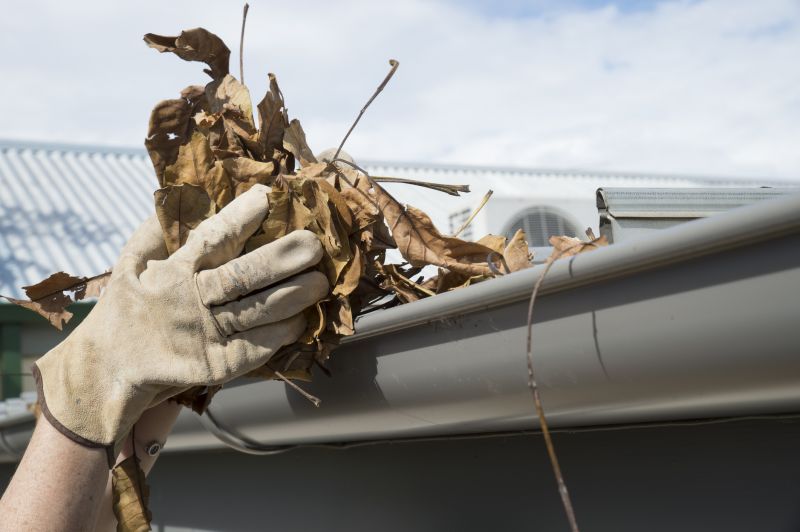
Gutter leaves removal services focus on clearing debris such as leaves, twigs, and other obstructions from residential gutter systems. This service helps prevent clogs that can lead to water overflow, foundation damage, and roof issues. Projects typically involve inspecting gutters, removing accumulated debris, and flushing the system to ensure proper drainage. Homeowners often request this service before or during the fall season when leaf fall is at its peak, or after storms that deposit debris into gutters, to maintain the integrity of their roofing and drainage systems.
Property owners usually want to understand the scope of debris removal, the methods used to clean the gutters, and whether additional repairs or maintenance are included. It is also common to inquire about the frequency of such services, especially for properties surrounded by trees or in areas prone to heavy leaf fall. Clarifying these details helps in planning ongoing gutter maintenance and ensuring the property's exterior remains protected from water damage and related issues.
Many property owners in Long Island, NY look into Gutter Leaves Removal for repairs, replacements, upgrades, and appearance-related improvements.
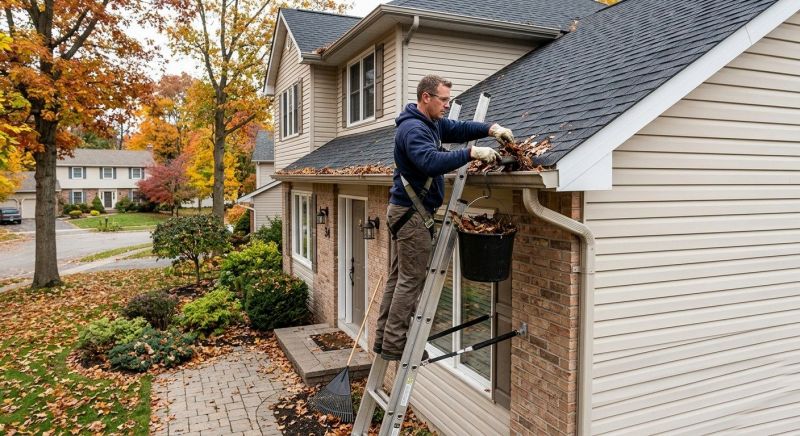
Gutter Leaves Clearing
Removing leaves from gutters helps prevent water damage and keeps drainage clear.
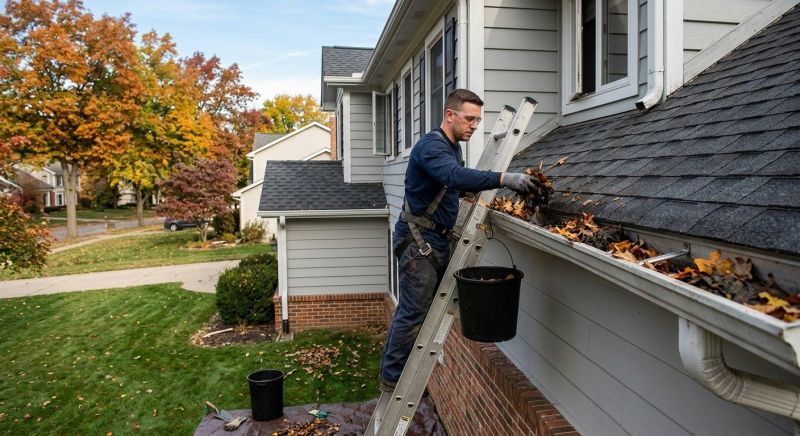
Debris Removal Services
Professional removal of gutter debris reduces the risk of clogging during heavy rainstorms.
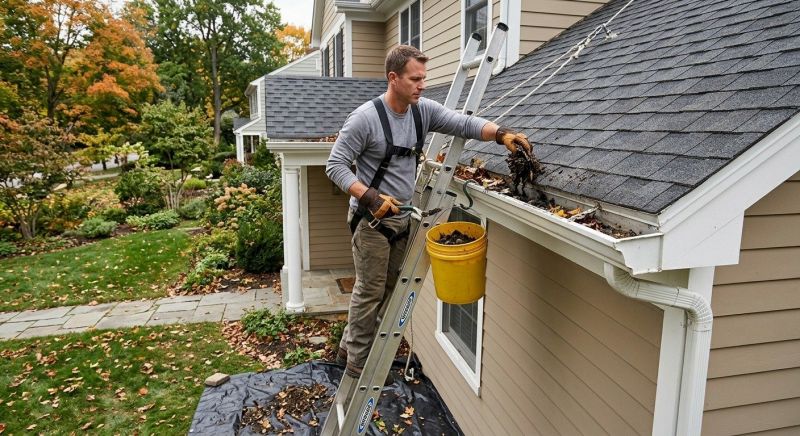
Gutter Maintenance Solutions
Regular gutter cleaning helps maintain the integrity of roofing and prevents costly repairs in long island properties.
Gutter Leaves Removal in Long Island, NY

Gutter leaves removal services focus on clearing debris such as leaves, twigs, and other obstructions from residential gutter systems. This service helps prevent clogs that can lead to water overflow, foundation damage, and roof issues. Projects typically involve inspecting gutters, removing accumulated debris, and flushing the system to ensure proper drainage. Homeowners often request this service before or during the fall season when leaf fall is at its peak, or after storms that deposit debris into gutters, to maintain the integrity of their roofing and drainage systems.
Property owners usually want to understand the scope of debris removal, the methods used to clean the gutters, and whether additional repairs or maintenance are included. It is also common to inquire about the frequency of such services, especially for properties surrounded by trees or in areas prone to heavy leaf fall. Clarifying these details helps in planning ongoing gutter maintenance and ensuring the property's exterior remains protected from water damage and related issues.
Many property owners in Long Island, NY look into Gutter Leaves Removal for repairs, replacements, upgrades, and appearance-related improvements.
Common Gutter Leaves Removal Jobs
Gutter Leaves Removal - clearing fallen leaves and debris from gutters to prevent blockages.
Seasonal Gutter Cleaning - routine removal of leaves during peak fall and spring months.
Storm Debris Removal - clearing gutters after storms to maintain proper drainage.
Gutter Maintenance - inspecting and removing leaves to extend gutter lifespan.
Downspout Clearing - removing leaves from downspouts to ensure proper water flow.
Exterior Gutter Care - keeping gutters free of leaves to protect the home's foundation.
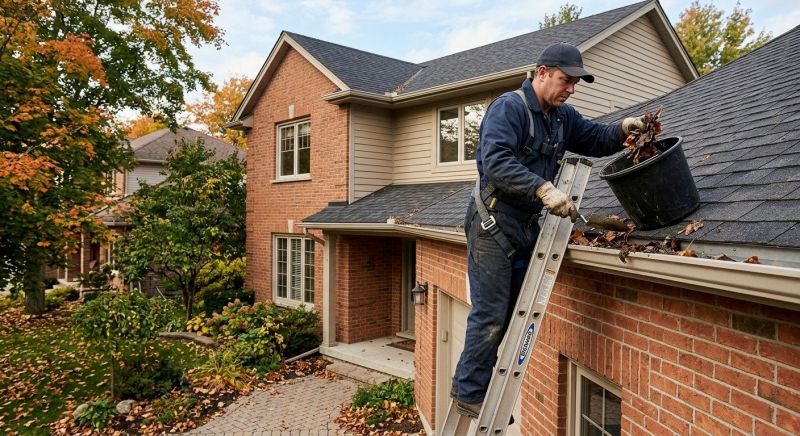
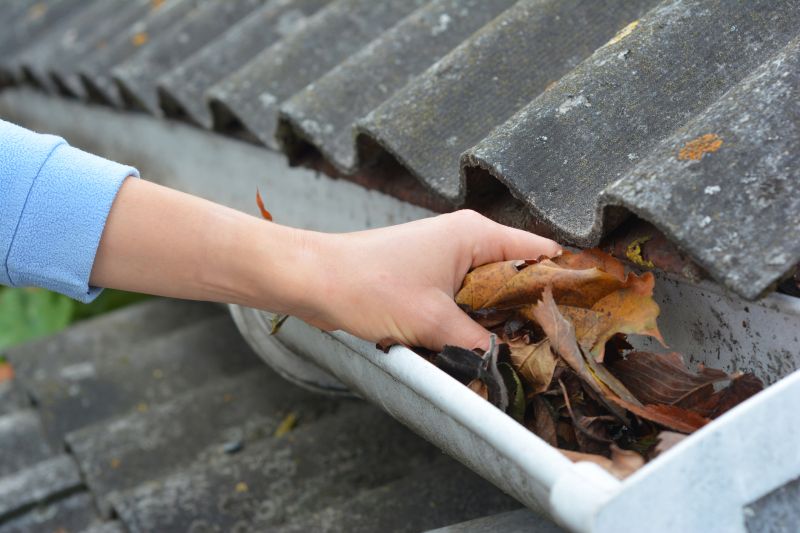
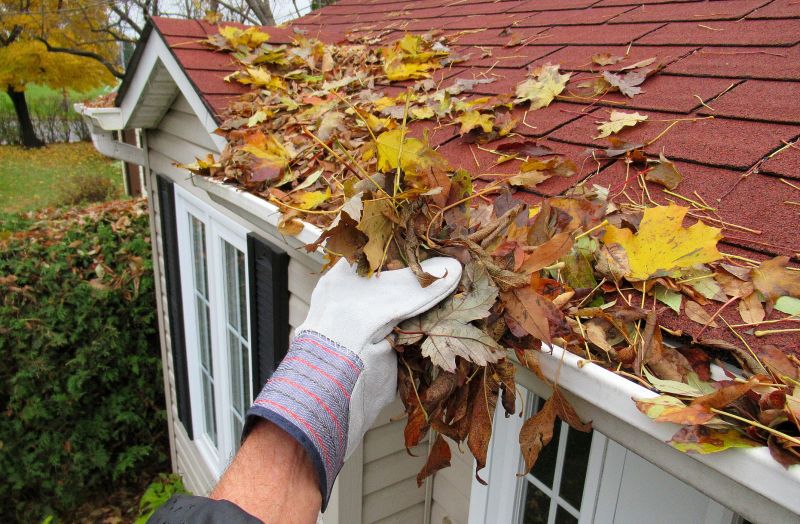
Gutter Leaves Removal Questions
Why is leaf removal from gutters important? Removing leaves helps prevent clogs, water damage, and mold growth on the property.
When should gutter leaves be cleared? Regular removal is recommended during peak leaf fall seasons to maintain proper drainage.
What tools are used for leaf removal? Typically, gutter cleaning tools like scoops, brushes, and leaf blowers are used to clear debris efficiently.
Can leaf removal prevent gutter damage? Yes, removing leaves reduces the risk of gutter sagging, rust, and potential damage to the gutter system.
Request Gutter Leaves Removal in Long Island, NY
Use the quote form on this page to share the basics of your project and request more information for the type of work you need.